

1. Rila Monastery
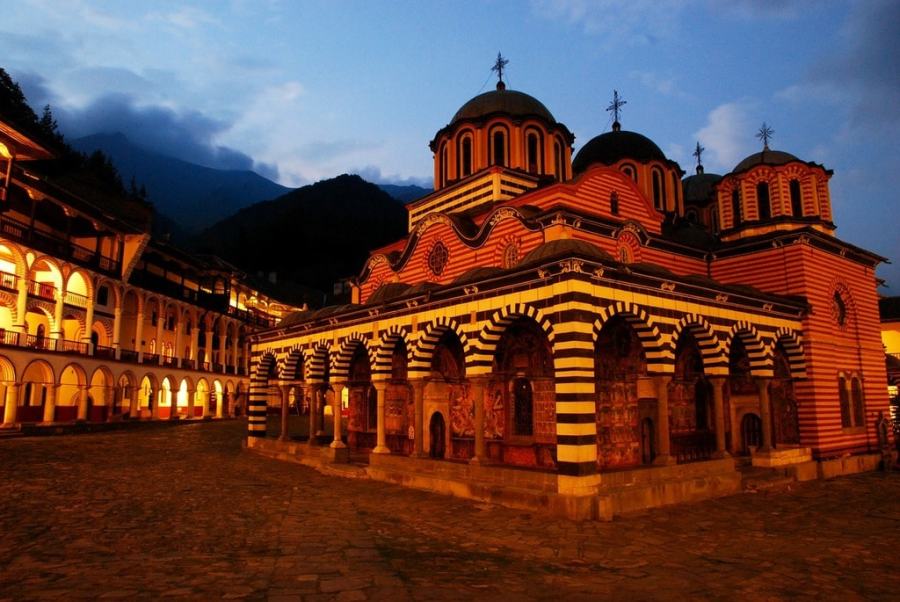
Rila Monastery is the largest Orthodox monastery in Bulgaria which is included in the UNESCO heritage. Founded over 1,000 years ago by St. Ivan of Rila, this sacred place is both a spiritual and architectural marvel. A large number of people came to the religious location, established more than 1,000 years ago by the Bulgarian Saint Ivan of Rila. A unique must-see at the monastery is the Rafail’s Cross – a wooden cross with an additional 100 tiny Bible scenes which have been carved into the cross by Monk Rafail who almost became blind when he finished the carving. (See more: Two Day Excursions)
2. The Land of Roses
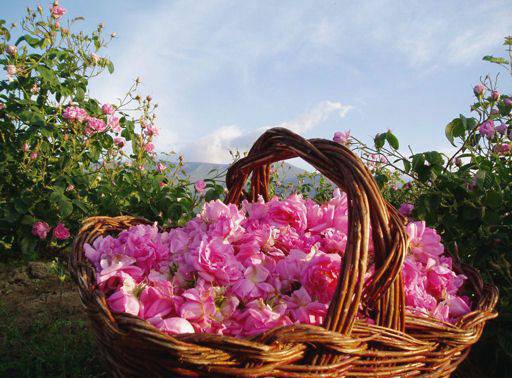
Bulgaria is the world’s proud home of the famed Rose Valley, near the charming town of Kazanlak. The delicate Damask roses are hand-picked at dawn and processed the same day to create one of the most precious essential oils on earth — known as “liquid gold”.
This Rose Valley is one-of-a-kind. There is no equal place to it in the world! There is a certain procedure that takes place to prepare the cosmetic products. First, the roses are hand-picked and they have to be picked before 12 o’clock or noon. Afterwards they are made pure the exact day to contain the magnificent fragrance. To extract 1 kg of Rose Oil, the required amount of rose petals is 3 tons. The Bulgarian Rose Oil is one of the most extravagant and most requested on the international market for perfume essential oils, and remains a key ingredient in many of the world’s most luxurious perfumes. It has exceptional antibacterial, aromatherapeutic and healing properties. Whether you’re interested in cosmetics, aromatherapy, or natural wellness, Bulgaria’s rose-based products are a fragrant souvenir you’ll never forget.
3. Sozopol

Sozopol is an ancient town located south of the Bulgarian Black Sea Coast; a town where ancient history meets sun-soaked beaches and modern arts. Originally founded as Apollonia by Greek settlers, Sozopol remains a living museum, nowadays, it is considered to be one of the most beautiful resorts on the seaside in Bulgaria and it is known for the Apollonia art and film festival, which takes place in the beginning of September and is has been given the name after one of Sozopol’s ancient names.
The most active season of the year starts from May and ends in October and during this season, a large number of foreign tourists come to the resort to appreciate the weather, the sandy beaches, the history, the culture, the cuisine (a mixture of Bulgarian and Mediterranean cuisine), and the the atmosphere of the resort. (See more: One Day Excursions)
4. Ropotamo River

For nature lovers, Ropotamo River offers a serene escape into the wild beauty of Bulgaria. The river is located in the southeast of Bulgaria. It is most known for its 30 metres-wide opening which is a home to a special species of flora and more than 100 of them are endangered in Bulgaria. The lower area of the river is a preserved area since the year 1940 and forges a part of the Ropotamo Reserve. The bottom part of Ropotamo river is a well-known attraction for tourists by reason of the water lilies and the rock formations located above the river, where the nest of white-tailed eagles is located. Close to the Ropotamo river, you can observe the most famous and revered sanctuary of the Thracians – ‘Begliktash’. (See more: One Day Excursions)
5. Botanical Garden of the Romanian Queen Maria in Balchik Palace


The Balchik Palace is a palace located in the Bulgarian Black Sea town and resort of Balchik, in Southern Dobruja. In the past, it was the summer residence of Queen Marie of Romania. In the garden of the Queen’s palace, there is a collection of rare cacti growing in the garden, including one of Europe’s largest cacti collections, second only to Monaco!
In the year of 1940, the Balchik Botanical Garden was founded at the place of the palace’s park and it is home for more than 2000 plant species that belong to 85 families and 200 genera. Be sure to visit the Queen’s famous stone throne, where she watched the sun rise and set over the sea. (See more: One Day Excursions)
6. The Shipka Monument
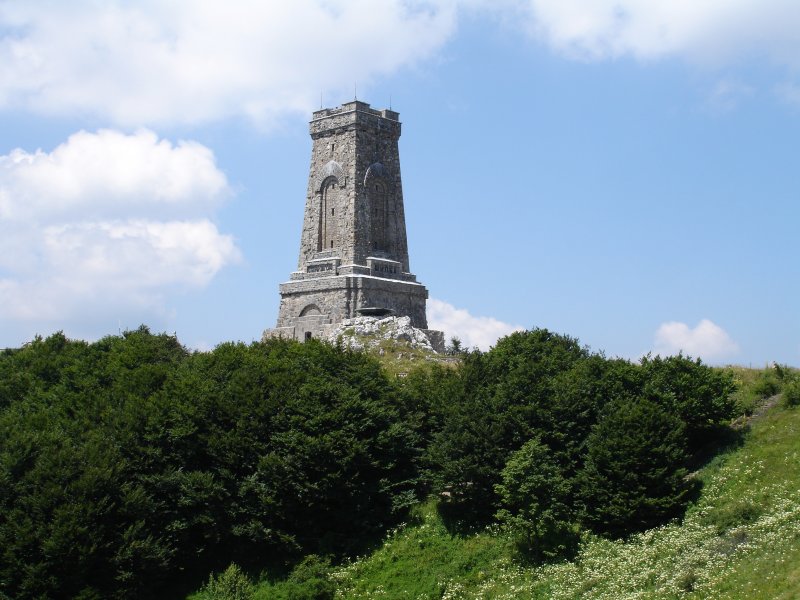
The Shipka Monument is a monument for those who died during the Liberation of Bulgaria at the time of the Battles of Shipka Pass in the Russo-Turkish War in 1877-1878. For this monument, an important influence was the Monument to the Battle of the Nations located in Germany. The monument is in the form of a truncated pyramid. A large bronze lion is standing over the tower’s entrance and a figure of a woman representing the victory over the Ottoman Empire. A marble casket is home to some of the remains of Russian and Bulgarian casualties on the first floor of the tower. There are also four floors where replicas of the Bulgarian military flags and other relics can be found. The top floor of the tower displays a panorama of the surrounding area.
7. Veliko Tarnovo – Tsarevets Fortress
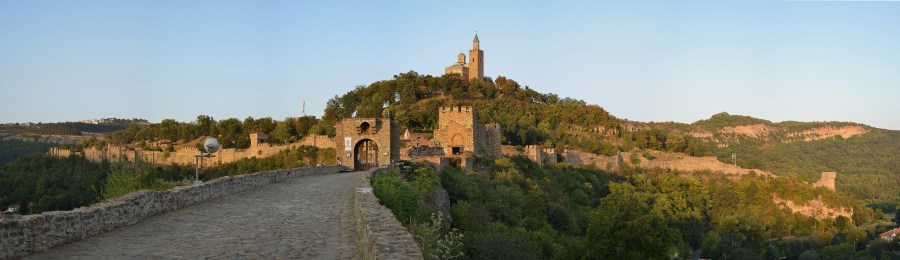
Step back into the era of medieval Bulgaria at Tsarevets Fortress in Veliko Tarnovo. Tsarevets is a medieval fortress located on a hill in Veliko Tarnovo (Nothern Bulgaria). Tsarevets is located 206 meters above the sea level.Towering high above the Yantra River, this ancient stronghold was once the seat of the Bulgarian kings and the heart of the Second Bulgarian Empire. It has been the Second Bulgarian Empire’s prime fortress and strongest support from 1185 to 1393. It is home to the royal and the patriarchal palaces as well as being a well-known tourist attraction. Wander the ruins, walk the ancient walls, and experience the breathtaking panoramic views that once inspired royalty! (See more: One Day Excursions)
8. Nessebar
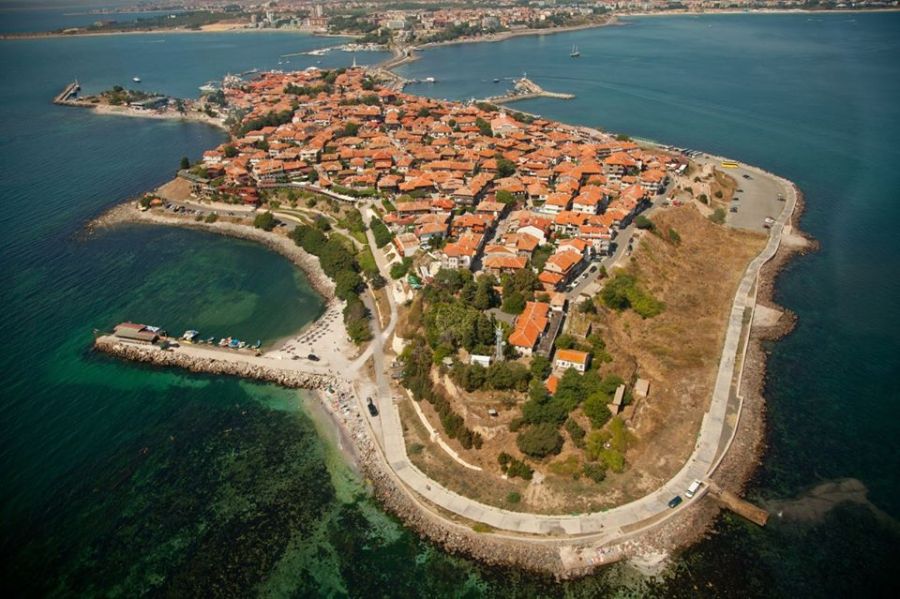
Just a stone’s throw from Sunny Beach, the ancient town of Nessebar is a UNESCO World Heritage Site and a living monument to 3,000 years of history. Nessebar is a relic city and another seaside resort on the Black Sea Coast, in the Burgas Province. Being referred to as the “Pearl of the Black Sea”, Nessebar is a vibrant city-museum and is specified by 3 millennia of fast-changing history. This picturesque seaside town is packed with cobbled streets, charming old houses, ancient churches, and lively cafés. This city is one of most famous destinations for tourists on the Black Sea Coast. Due to the city’s large number of historical buildings from the 19th century, UNESCO included the old town of Nessebar in the World Heritage Sites. (See more: One Day Excursions)
9. Prohodna Cave – The Eyes of God

This cave has been given the nickname “The Eyes of God” because of the distinctive shape of teh two openings in the ceiling and it resembles a monumental power over the tiny visitors. The surrounding area is filled of eco-trials and unique rocks that will become a full day of exploring. For more information, please contact us!
 MNG Holiday